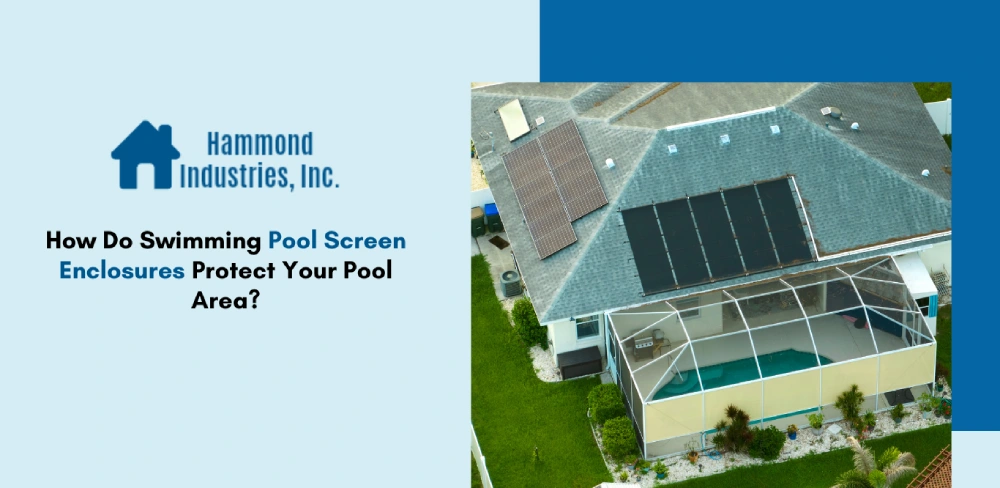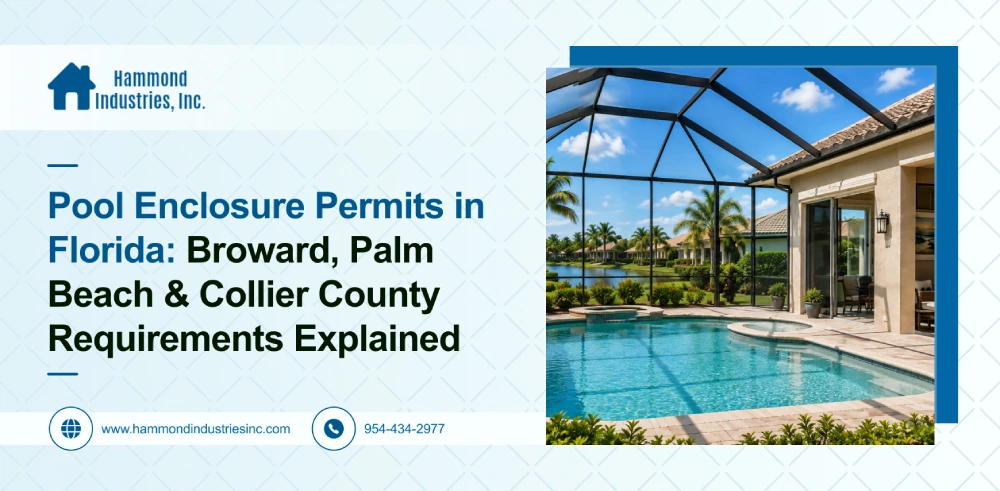
Have you come across a pool with a screen fence and love it as an inspo for your property? Then hiring a contractor is not all you have to do. It is essential to know the requirements of a pool enclosure permit in Florida before you start planning any further. This permit is essential for many counties and an important compliance factor for properties in Florida.
Knowing the permit requirements and documents in advance can help you plan everything and avoid any delays in your pool screen enclosure. This guide details the permitting process, costs, timeframes, and who is responsible for acquiring the Collier County pool enclosure permit.
Do You Need A Permit For A Pool Enclosure in Florida?
If you’re wondering if I need a permit for a pool enclosure in Florida, then the answer is yes in most cases. It’s best to consult the building department in charge of your property before starting work.
A permit is issued to enable the local authority to inspect the proposed enclosure and ensure it meets the necessary criteria. This can include structural needs, setbacks on the property, zoning requirements, and other requirements of the Florida Building Code as it applies to the project.
Specific needs may differ depending on your property’s location.
Why Do You Need A Pool Enclosure Permit In Florida?
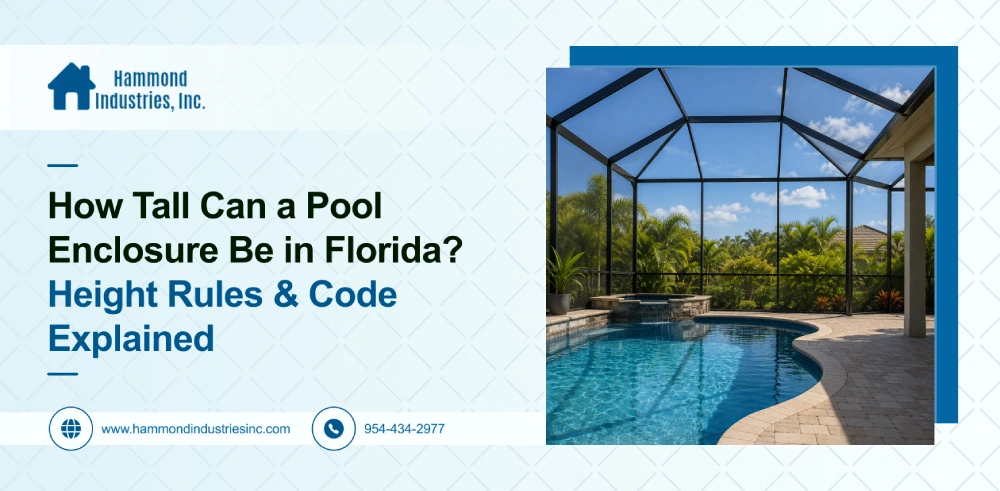
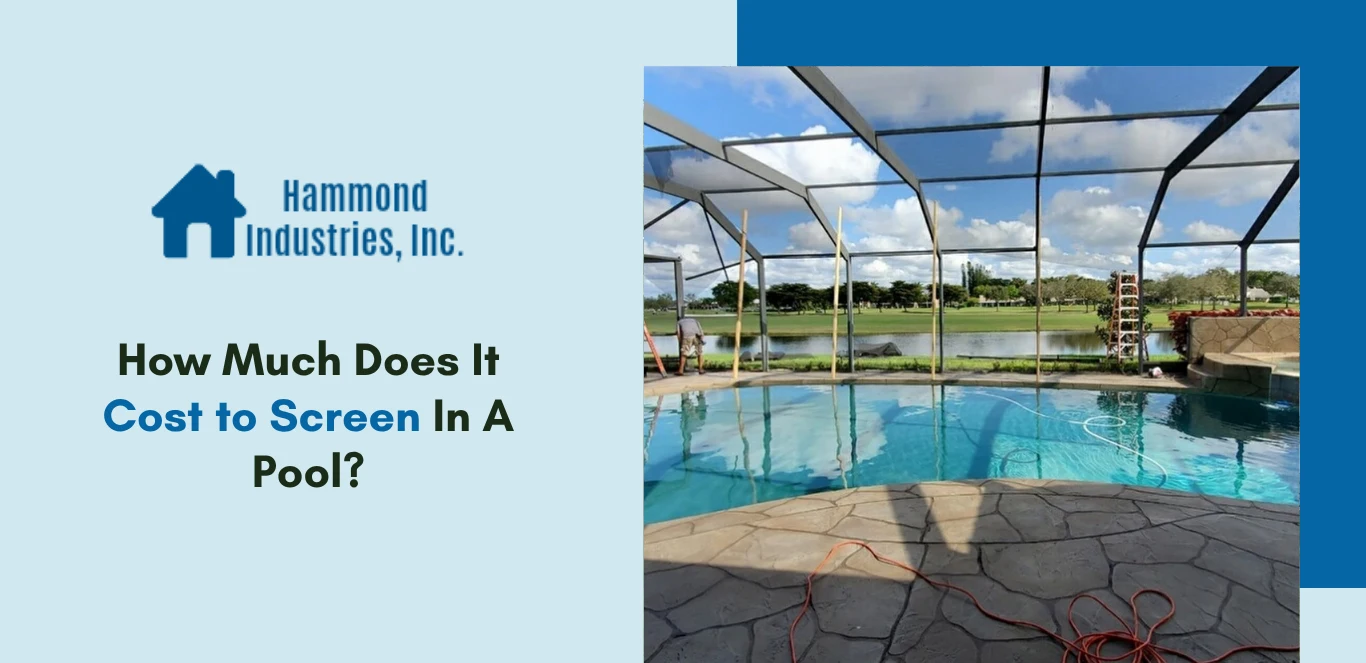
A pool enclosure is not just a screen that is placed around the pool. Typically, the structure will consist of aluminum framing, footings (or other structure), and connections to resist the weather of Florida.
Permitting can help to ensure that the enclosure is designed and built in accordance with building requirements.
The process can involve the following issues:
- Structural design and materials
- Wind-load requirements
- Setback requirements
- Home attachment
- Requirements for foundation or footing
- Pool and enclosure safety factors
- Inspection process
Weather conditions in Florida are especially critical when considering structural compliance. Design of an enclosure should consider local winds and requirements for the property.
Pool Enclosure Permits In Broward County
Broward County contains many cities, with different permitting procedures between each city.
The first step to a screen enclosure permit in Broward County is determining which building department has jurisdiction over the property.
Construction plans, site information, structural details, and other documents might be needed. Other zoning issues such as setbacks may be examined by the permitting authority as part of the project.
Generally, required inspections are to be performed during construction, after the permit is issued.
How Long Does A Pool Enclosure Permit Take In Broward County?
The permit timeline depends on the local authority, whether the application is complete, the plan review requirements, corrections, the workload of the permitting office, and the complexity of the enclosure. Generally, the timeline is anywhere between 2 and 4 weeks but can be stretched further to 4-8 weeks depending on the property.
Who Pulls The Permit For A Screen Enclosure?
In a lot of projects, the contractor submits the permit application on behalf of the homeowner. This is commonly known as a ‘contractor pulled permit’.
If permitting is performed by the contractor, they can prepare or coordinate the necessary documents, submit the application, respond to plan review comments, and schedule the necessary inspections.
The specifics of the process, however, may vary from one jurisdiction to another, and from one contractor to another depending on their licensing and authorization.
Before signing a contract, a homeowner should always ask the licensed aluminum contractor if he or she will be applying for the permit, and if the fees will be incorporated into the project price.
What Is the Florida Pool Enclosure Permit Cost?
There isn’t one statewide Florida pool enclosure permit cost. Permit fees may be different depending on:
- Local jurisdiction
- Project valuation
- Size of the holding area
- Plan-review requirements
- Engineering requirements
- Additional inspection fees
- Other local administration fees
The cost of the permit is not included in the design and construction of an enclosure.
When looking at estimates from various contractors, clarify if permitting and other professional services are part of the total project cost. This can help you to be able to compare quotes more accurately.
Conclusion:
Knowing the local needs, permit fees, time and setbacks, and inspection process can help your project get off the ground with minimal surprises.
Hammond Industries can help you plan and get a pool enclosure permit in Florida, and complete the job from start to finish. Our team will be able to help you apply for any necessary permits and ensure your project is managed with respect to all relevant requirements. Call Hammond Industries to discuss your pool enclosure project and find out more about your property’s permitting process.
FAQs
Do I need a permit to build a pool screen enclosure in Florida?
In most cases, a new pool screen enclosure requires a permit. But requirements may differ depending on the location and project. Check with the building department that has jurisdiction over your property before construction begins.
How long does the permitting process take?
The pool enclosure permit timeline can vary based on:
- Different counties
- Property size
- Type of property
- Contractor laws
You can expect the time to be anywhere between 2-8 weeks. The best thing you can do is choose a licensed contractor that can help move your permit process fast with the right set of documents.
Does Hammond Industries handle the permit application for me?
Yes. Hammond Industries will be able to assist you with the permit process for your pool enclosure, coordinating the necessary paperwork and permitting steps so that you don’t have to do it alone. Get in touch with us today and inquire about pertinent permitting prerequisites for your property and project.
What happens if a pool enclosure is built without a permit?
An unpermitted enclosure can cause issues with the local building department, such as possible penalties, more permits, or modifications to the enclosure. It may also present a problem during a real estate transaction or in a future remodel.