Thinking of getting a pool enclosure? One of the very first questions you might have then is: how tall can a pool enclosure be? The answer isn’t as simple as one statewide maximum height. Pool enclosure height can depend on the local municipality, zoning requirements, property setbacks, the enclosure design, and applicable structural requirements.
For instance, in Fort Lauderdale’s zoning code, screen enclosures in the required rear or side yard are specifically mentioned, and the maximum height of the part that extends into the required rear yard is 12 feet for a standard single-family dwelling. Other jurisdictions in Florida may have other requirements.
How Tall Can A Pool Enclosure Be In Florida?
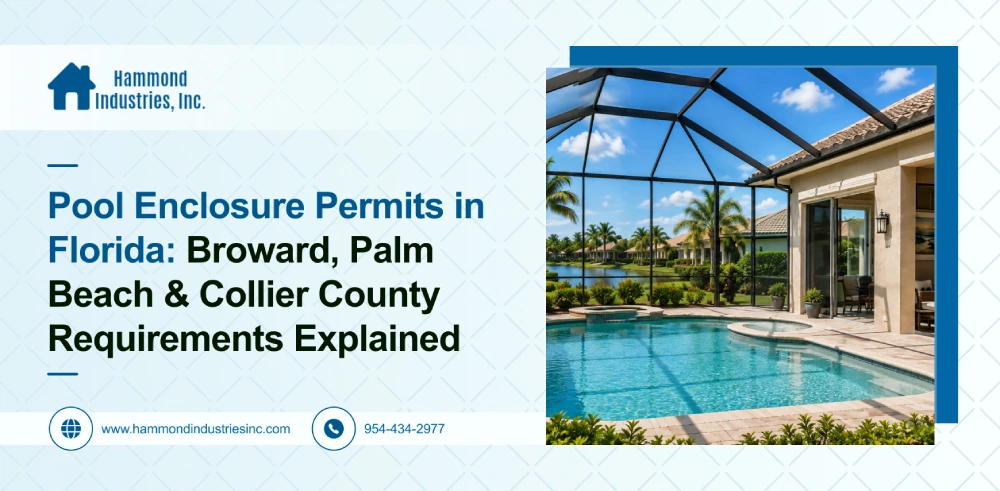
The height allowed may be subject to local zoning, setbacks of the property, location of the enclosure, and the proposed design. The Florida Building Code height limits also provide structural requirements and limitations for pool enclosures.
However, the general allowance for height can be anywhere between 12 and 24 feet based on your property type and size.
What Is the Standard Height Of A Pool Cage?
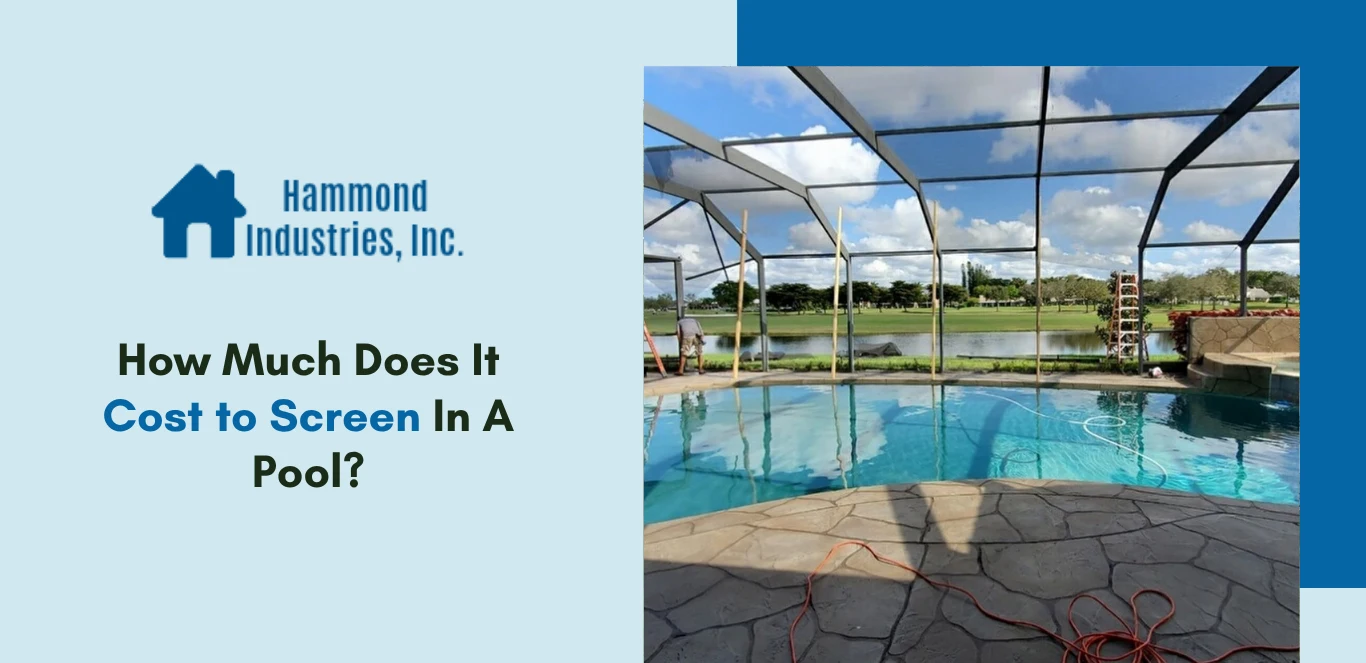
The traditional pool enclosure is based on the size of the pool deck, house, and yard space. A normal-height fence in the enclosure might be sufficient for normal use, especially if the design is relatively simple. When it comes to standard or common designs, the maximum pool cage height is 12 feet.
What Is the Standard Height Of A Pool Cage?
The traditional pool enclosure is based on the size of the pool deck, house, and yard space. A normal-height fence in the enclosure might be sufficient for normal use, especially if the design is relatively simple. When it comes to standard or common designs, a common standard height for pool cages is around 12 feet, though this still varies by jurisdiction and design.
Panoramic vs Standard Height Pool Enclosures
| Enclosure Style | General Characteristics | Best For |
| Standard height | Practical and proportional design | Typical pool areas |
| Tall enclosure | Increased vertical clearance | Larger pool decks and outdoor living areas |
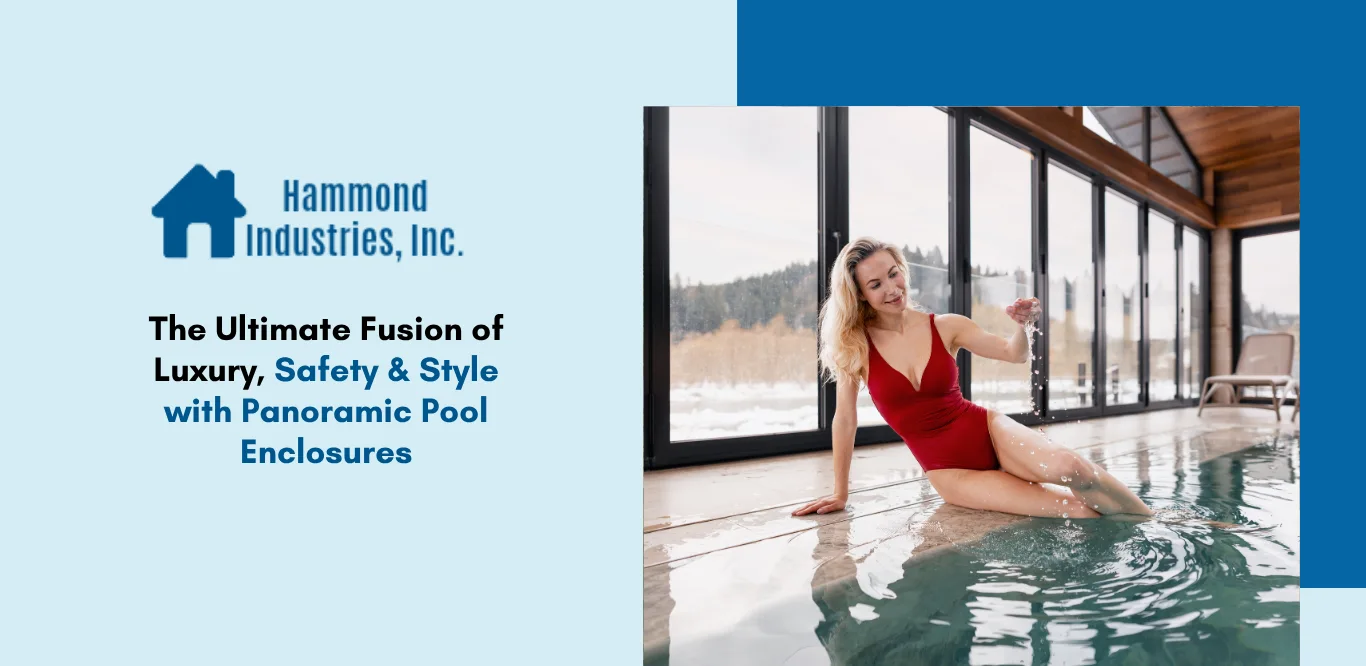
| Panoramic enclosure | Taller, more open design | Homeowners wanting expansive views |
| Custom/extra-tall | Designed around the property and project | Complex or high-end outdoor spaces |
What Are Pool Enclosure Height Regulations In Florida?
The Florida Building Code regulates the structural requirements for screen enclosures, and local governments can provide zoning controls for height, setbacks, location, etc.
This is significant. A structure may be able to be built at a certain height, but may not be allowed in a specific area due to zoning or setback requirements.
That is, both structural engineering and zoning approval are important.
Can A Pool Enclosure Be Taller Than The House?
The height of an enclosure above the home is dependent on local zoning codes, location and setbacks, structural design, and the approving agency of the home.
The taller the enclosure, the better it will have to be designed to deal with applicable wind loading. The building code used in Florida explicitly considers the height of the enclosure in determining the building’s structural design pressures.
If you are thinking about making the screen room enclosure higher than your house, ask that the design be reviewed prior to starting construction work.
What Is A Pool Enclosure Height Calculator?
Homeowners who are looking for a pool enclosure calculator are probably looking for a fast and easy method to work out the height of their pool enclosure.
A calculator may be used to make measurements or make initial plans, but it cannot substitute for local zoning review or professional design.
A simple calculator may not consider the following:
- Property setbacks
- Local zoning requirements
- Existing structures
- Roofline clearance
- Lot configuration
- Wind-load requirements
- HOA restrictions
- Structural engineering requirements
Do HOAs Have Their Own Height Restrictions?
The local building department might permit a specific height for different types, like a patio enclosure, but there could be further architectural or community restrictions from an HOA.
HOA restrictions tells about:
- Maximum enclosure height
- Design and appearance
- Frame color
- Roofline clearance
- Placement
- Other neighbor property line views
- Approval procedures
Conclusion:
When it comes to selecting a pool enclosure, there is more to it than just picking the tallest enclosure you can. You’ll need to take into account your property, local compliance requirements, setbacks, zoning requirements of your homeowners association, structural considerations, and what you plan to use the space for.
Hammond Industries can help you determine what pool enclosures are available for you on your property, whether it’s a standard, tall, or panoramic pool enclosure. Our team is able to assist in custom enclosure design and can provide you with guidance on the requirements and needs to design a structure that will fit your home and outdoor area. Call Hammond Industries, and we can talk about your pool enclosure project and determine the height and design that may be suitable for your property.
FAQs
What is the maximum legal height for a pool enclosure in Florida?
The height of a pool enclosure varies throughout Florida, with no one height being the maximum for all pools. The maximum height may be dictated by local zoning, setbacks, property characteristics, and structural requirements. In Florida, for instance, Fort Lauderdale has regulations for screen enclosures inside the yard or side yard.
Do HOAs impose additional height restrictions?
Yes, an HOA can have architectural or community rules that can limit the height or design of the enclosure. These requirements may be in addition to local zoning and building requirements.
Does a taller enclosure cost more?
It can. Larger enclosures might need a different number of materials, labor, engineering, and structural aspects. The price of this will vary depending on the size, design, location, and complexity of the project.
Can Hammond Industries build extra-tall panoramic enclosures?
Yes, Hammond Industries offers custom and panoramic pool enclosure designs and installation. The final design height will be determined by local zoning, setbacks, enclosure design, permitting, and the practicality of the enclosure.